Concept by Nipartsystems. A rough idea of how a site for Hallidays Hydropower could look. Not Hallidays Hydropower's site, and not connected to them. Some text is taken from hallidayshydropower.com; images are placeholders.
Hallidays specialises in low-head, fish-friendly run-of-river hydropower. Its four departments support landowners, developers and operators at different stages of a scheme.
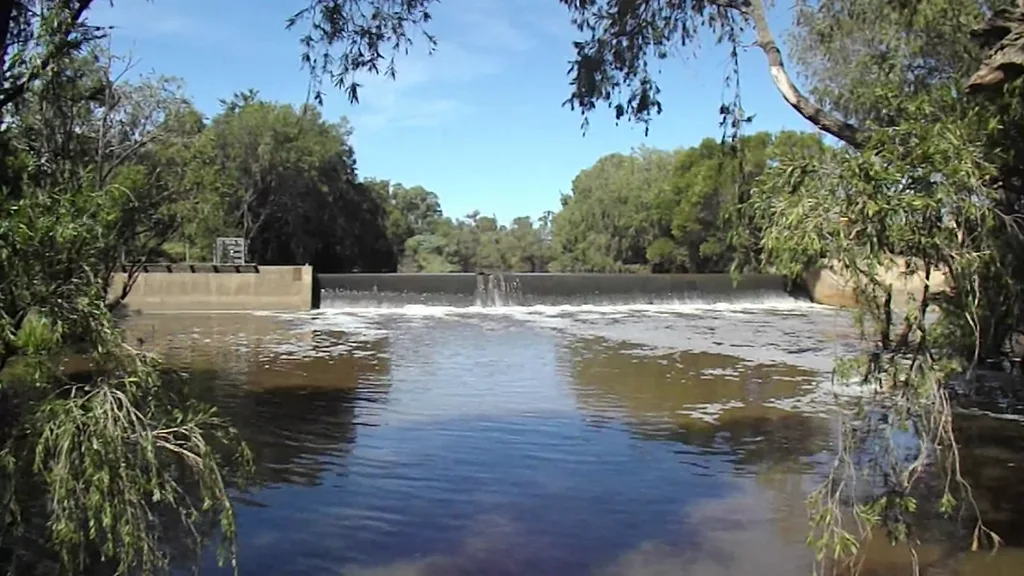
River weir · placeholder photograph
Innovate
Develop turbine designs and installation methods for challenging sites.
What does support for an existing installation cover?
Hallidays assesses the efficiency of water pumping stations, services upper and lower bearings and generators, and provides system tuning and emergency call-outs.
Hallidays traces its first domestic hydropower screw to Dandridge’s Mill. Its case study describes how the company designed, installed and operated the scheme.
UK’s first domestic hydropower screw installation, as reported by Hallidays
2007
Schemes in the UK and overseas, with varying degrees of involvement
Over 278+
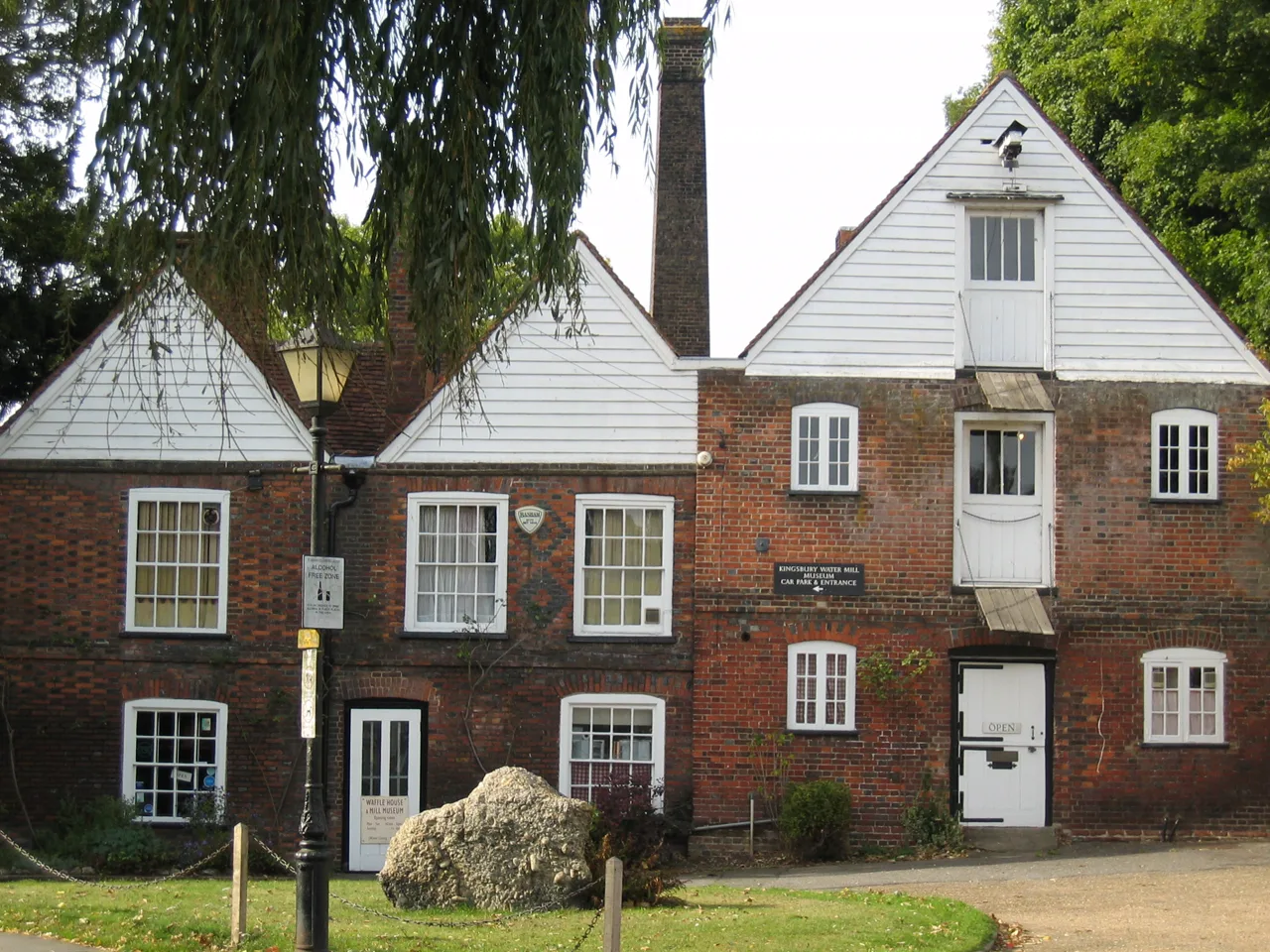
Kingsbury Water Mill · contextual placeholder
A former silk mill. Four low-energy homes.
At Dandridge’s Mill, a Grade II listed site in East Hanney, Hallidays designed and installed a 5 kW Archimedean HydroScrew.
Illustrative mechanism · Dandridge’s Mill
Over 27,000 kWh / yearAnnual generation reported for electricity and heating.
Compare installed and proposed capacity at five sites, from a former silk mill to a disused tidal lock.
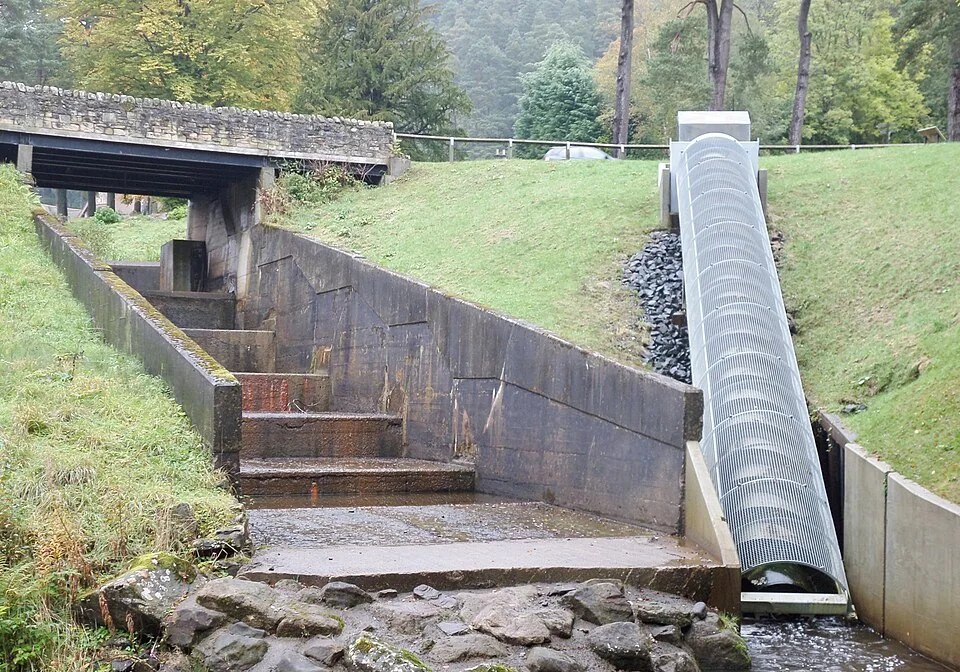
Screw turbine beside a spillwayCragside · contextual placeholderImage credit and licence
Photograph by Rosser1954 on Wikimedia Commons. Resized, converted to WebP and displayed cropped. Photograph and adaptation licensed under CC BY-SA 4.0 (creativecommons.org/licenses/by-sa/4.0/). Source commons.wikimedia.org/?curid=52453932.
Power is one part of the picture.
kW
The turbine’s rated power.
kWh
The energy generated over time.
Head and flow affect turbine choice. The selected schemes page brings published water levels, power and annual generation together.
Hallidays explores ways to use fast river currents, bring lighter screws to remote sites and fit turbines to existing dams.
Illustrative sectionPlatform · maintenance accessAuger · driven by the current
ECO-Auger®
A floating platform holds the electrical equipment above the water. Below it, the horizontal auger uses the current alone, with no drop in water level.
Hallidays describes partner testing in Florida and lists 0.5–50 kW per unit, with units able to run in series.
Moulded screw
Poly-Mod Turbine
A lightweight, moulded-plastic Archimedean screw for low-head sites, designed to make transport and installation easier.
Stream current
Pico Barrel
A portable turbine concept for fast-flowing streams and rivers in remote or underserved locations.
Suspended penstock
Drop-in Penstock Suspension System (PSS)
A micro-hydro retrofit concept for existing dams and other water impoundments.
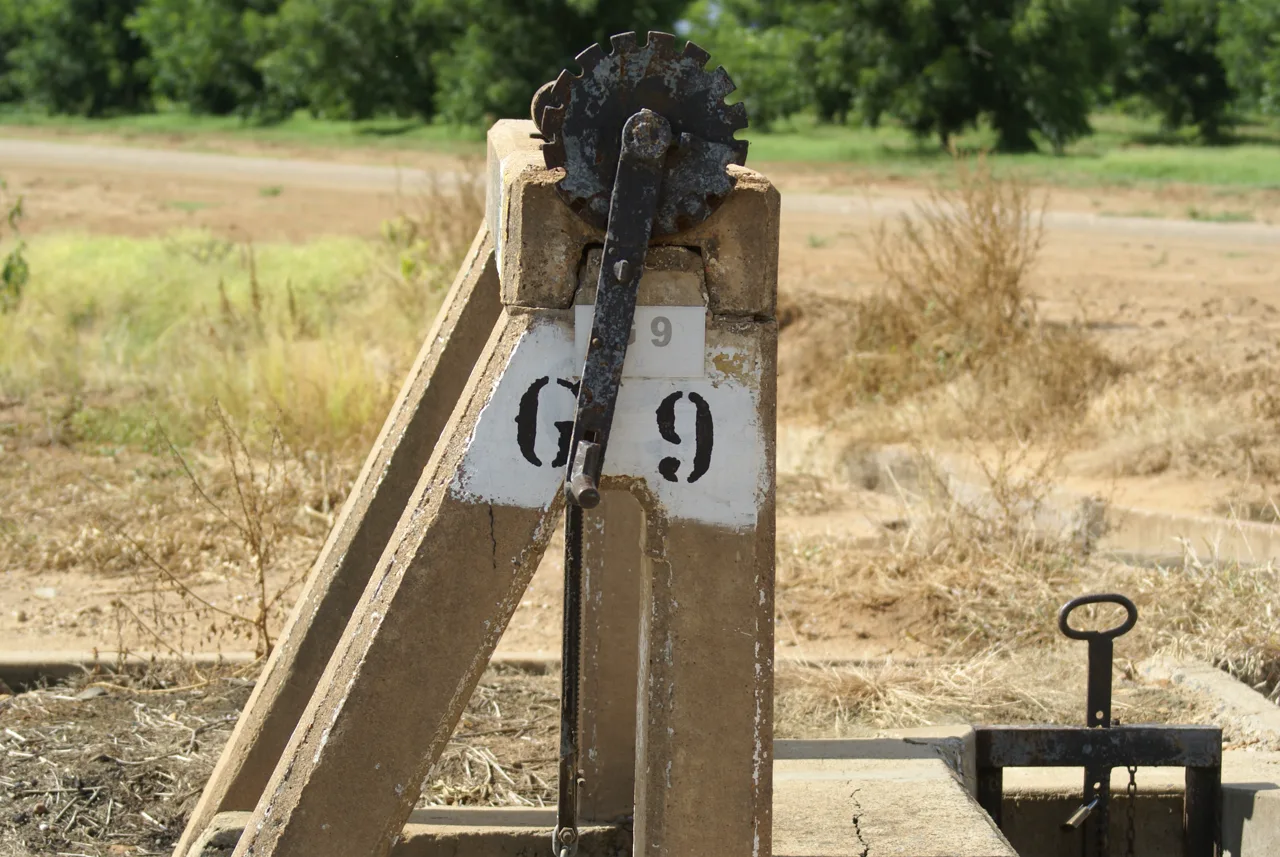
Canal sluice, Vaalharts · placeholder photograph
Working with existing structures
Hallidays describes planning a first prototype for the Drop-In. The floating ECO-Auger can tether to a bank, bridge or pontoon.
Partners and associates
University of Reading
British Hydropower Association
Renewable Energy Consumer Code
Greater Manchester Combined Authority
Eco Auger International
Bury Black Pudding
Guinness Asset Management
Blenheim Palace
The University of Manchester
Where Hallidays works.
UK offices and international partners support work across the UK and overseas.